support{at}planbcoaching.co.uk


PlanB Coaching > Blog > Uncategorized > Balancing Triathlon Training with Family and Work Commitments

Balancing the demands of triathlon training with a career and family life often feels like attempting another event. The early mornings, the weekend long rides, the evening swim sessions. They all require a level of logistical planning that would make a military strategist proud. If you are reading this, you are likely trying to work out how to squeeze 20 hours of training into a week that is already overflowing with work deadlines, school runs, and quality time with your loved ones.
The good news is that it is not only possible, it is being done every day by age group champions and first timers alike. From Kona qualifiers to full time professionals who are also new parents, the consensus is clear. Success in triathlon whilst managing a full life doesn’t come from finding more time, but from optimising the time you have and integrating your sport into your lifestyle. In this blog post, we will dive deep into the strategies, mindsets, and hacks used by busy age groupers and pros to keep all the plates spinning.
The first and most crucial step in balancing triathlon with life is changing how you view training. For many amateur athletes, there is a lingering belief that more hours on the saddle or more laps in the pool automatically equate to better performance. However, experts and champion age-groupers argue that this is a fallacy.
Everyone one always asks “How many hours a week do I need to do to be able to get a good time in an Ironman?”
According to Donald Brooks, the 2024 AG45-49 IRONMAN Kona champion who balances training with full-time work and fatherhood, “You don’t need to be doing 20+ hour training weeks to undertake a full distance triathlon. A simple routine of 5-7 sessions a week would be sufficient.” The magic lies in consistency, not volume. It is the regularity of training that yields results, not a single magic VO2 max session.
Elite pro Sam Long, who recently navigated the transition to fatherhood, echoes this sentiment. He admitted to “rethinking his whole life” and subsequently changed his weekly training structure. “My hours have come down but it’s about doing more with less. I’ve added in more intervals and a little more structure and it seems to be working,” Long stated. If a professional Ironman competitor is cutting volume to focus on quality to accommodate family life, it is a powerful indicator that age-groupers should do the same.
This means abandoning the guilt associated with “junk miles.” Every session needs a purpose. If you only have 45 minutes, a high-intensity interval session on the turbo trainer or a tempo run is far more valuable than a slow, aimless jog. The goal is to be “training ready”—showing up to each session with enough mental and physical energy to execute it properly, rather than dragging yourself through workout after workout just to tick a box.
Time is the currency of triathlon, and for the busy parent or professional, managing that currency requires a strict budget. Here is how to become a master of your schedule.
Universally, the most common piece of advice from the triathlon community is to embrace the early morning. The concept is simple: train before the rest of the world wakes up. “Embrace dark o’clock,” suggests one athlete from the IRONMAN community. “Train when the kids are sleeping.”
By waking up at 4:30 or 5:00 a.m., you carve out a sacred block of time that is immune to the interruptions of work emails, after-school activities, or evening fatigue. You get your workout “in the bank” before the day’s chaos begins. If the day takes an unexpected turn and you can’t train later, you have already succeeded. This requires discipline, going to bed early and preparing the night before, but it is the most reliable way to ensure consistency.
If it isn’t in the diary, it doesn’t exist. Top age-groupers treat their training sessions with the same respect as a doctor’s appointment or a major work presentation. By blocking off time in your calendar for training, you provide direction and peace of mind, knowing you can get everything done.
However, rigidity is the enemy of the busy athlete. Life with kids and work is inherently unpredictable. The key is to “plan to be flexible.” If you have a turbo trainer session planned but your son’s football overruns, adapt. Split that session into two smaller blocks. Squeeze in a parkrun while the kids are at swimming. Ride your bike to a destination for a family day out. Flexibility ensures that when life inevitably derails your plan A, you don’t throw the whole week away.
Professional triathlete and medical student Matthew Marquardt emphasises that time must be “intentional, valuable, and productive.” This often means breaking your day into time blocks and ruthlessly cutting out wasted time. That hour spent scrolling through social media or watching telly after the kids go to bed could be reallocated to sleep, which is vital for recovery.
Furthermore, consider your commute. If you live close enough, running or cycling to work is a masterstroke of efficiency—it turns mandatory travel time into training time. If you drive, having discipline-specific kit bags in the car allows you to pop into the gym for a quick run or strength session at a moment’s notice.
Waking up at 4:30 a.m. is hard enough; you don’t want to waste those precious minutes searching for a sock or filling water bottles. Preparation is the bridge between intention and action.

The night before a workout, leave nothing to chance. Lay out your cycling clothes, pump up your tyres, charge your devices, and pre-mix your nutrition bottles. For swimmers, have a dedicated swim bag packed with goggles, cap, fins, and towel. This reduces the friction of getting out the door. When your alarm goes off, your only job is to get up, get dressed, and go.
Nutrition is the fourth discipline of triathlon, but it often falls by the wayside when time is tight. Meal-prepping a week’s worth of breakfasts, lunches, and dinners is a game-changer. Not only does it save time, but it ensures you are fuelling your body correctly for the workload ahead. Use downtime wisely—have a snack while foam rolling, or mix a post-workout shake the night before so it’s ready to drink while you shower.
Perhaps the most emotionally challenging aspect of triathlon training is the fear that you are neglecting your family. The key is to move away from the concept of “sacrifice” and toward “integration.” Instead of training taking you away from your family, find ways to bring them along for the ride.
Get creative about how you involve your kids and partner in your workouts.
Running with a Buggy: For parents of young children, a running buggy is an essential piece of kit. Maithé Rivera, a Belgian-Spanish triathlete training for an Ironman whilst caring for her toddler, frequently takes her daughter on recovery runs. “When I take Mae along, it’s more of a fun run. It’s not about pace or times, but about the feeling,” she says. You get your workout, and the child gets fresh air and time with mum or dad.
Park Workouts: If you have a long run, plan a route that loops around a local park where your kids can play. You can check in with them every 10-15 minutes.
Turbo Trainer Time: Set up your bike on a turbo trainer in the living room or garage. You can be “present” with the family—watching a film with them or keeping an eye on homework—whilst getting your session done.
Parallel Play: If you’re doing strength work at home, set up a “kid’s version” of the workout. Have them do jumping jacks or “run laps” around you while you do squats and lunges. As one athlete put it, “Spend quality time cycling with your spouse or kids, but gear down and push your cadence to 100.”
It is also vital to recognise that when you aren’t training, you need to be fully present. If you have spent four hours on a long ride on Saturday morning, put your phone away and devote the afternoon to family time without distraction. Your partner and children need to see that when you are with them, you are with them, not just recovering mentally on the sofa. This makes the time you spend apart more palatable for everyone.
Trying to balance everything in isolation is a recipe for burnout. A strong support system is the scaffolding that holds your triathlon dream together.
Open and honest communication with your spouse or partner is non-negotiable. They need to understand why this goal matters to you. Discuss the training load, the early mornings, and the weekend commitments. Involve them in the planning process—show them your race calendar and your weekly schedule. When they feel included and understand that their support is enabling your dream, they are far more likely to be your biggest cheerleader.
Kaitlin Carew, a full-time physiotherapist and triathlete, emphasises this: “Without my family, friends or husband’s support I wouldn’t be able to do this. Their endless support helps carry me throughout the training cycle and on race day!”
If your partner is holding down the fort, you need to make the most of your training time. Joining a local triathlon club, masters swim squad, or run group provides camaraderie and accountability. It turns a lonely training session into a social event, and it’s much harder to skip a workout when you know your friends are waiting for you.

For many busy athletes, hiring a coach is the ultimate life hack. A coach takes the mental load off your plate. You don’t have to spend hours analysing data, wondering if you’re doing too much or too little. They create a plan tailored to your schedule and goals, and they adjust it when life gets in the way. “It became clear that what I did best with was having a coach I could trust and fully buy into. My coach could handle the training, and I could do it. Then, I could go off and be a medical student,” says Matthew Marquardt. A coach maximises the limited time you have, ensuring every session counts. At Plan B coaching, we tailor every training plan to your life, your race and your available time. We change schedules when required and there is nothing copy and paste about any of our plans.
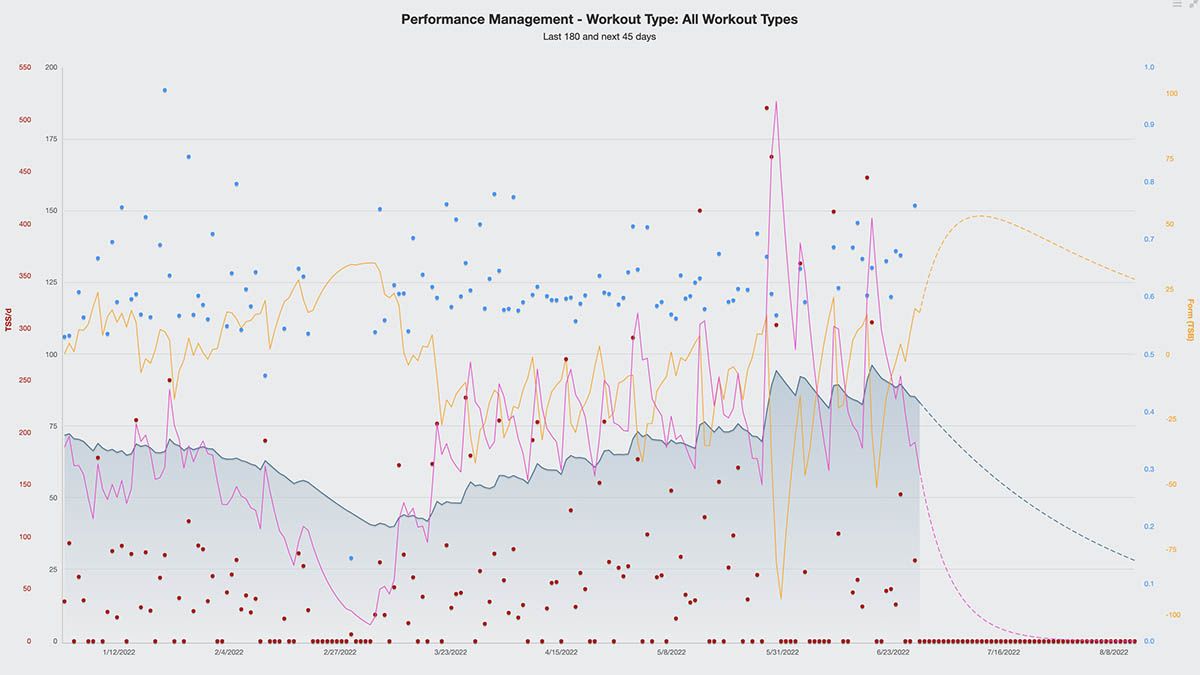
When you only have a few hours a week, you have to train smarter, not harder. Here are the tactical adjustments that yield the highest return on investment.
Brick sessions (bike immediately followed by run) are the ultimate efficiency tool. They simulate race conditions, teach your legs to handle the transition, and combine two disciplines into one time block. A 90-minute brick is often more valuable than a standalone 60-minute bike and a 45-minute run on separate days.
Keep a bag packed for each discipline. A swim bag in the car means you can hit the pool on the way home from work. A run bag at the office means you can sneak out at lunch. Having your gear ready to go at all times lowers the barrier to entry and lets you seize small windows of opportunity.
Finally, we arrive at the most important aspect of the triathlon life balance: your mental health. The pursuit of a finish line should not come at the expense of your happiness or your relationships.
There are only 24 hours in a day. You cannot be a parent, a partner, an employee, and a triathlete at 100% capacity all the time. Recognising this is freeing. Sometimes, the laundry will pile up. Sometimes, you’ll have to say no to a social event to prioritise recovery. It is okay to protect your time and energy. As Kaitlin Carew notes, “It is hard to turn down time with others but I have learned to keep my sanity, it’s necessary. I have learned it’s okay to say no.”
Rest is not laziness; it is a crucial part of training. When you are juggling work stress, family stress, and physical stress, your body needs time to adapt. Prioritise sleep, even if it means sacrificing a social hour in the evening. Use recovery tools like foam rollers, massage guns, or simply taking the dog for a walk. If you feel burnt out, take a day off—or even a few days off. The training will still be there when you get back, and you will be stronger for it.
Not every workout will be perfect. You will miss sessions. You will have days where you feel terrible. This is normal. Instead of dwelling on a missed swim, focus on the cumulative consistency over months.
Triathlon Magazine Canada advises athletes to “Savour the moments.” That feeling of crossing the finish line, or the pride on your child’s face when they see you achieve your goal, will far outweigh the memory of any missed workout. In those moments, you won’t be thinking about that interval session you skipped; you’ll be affirming that the journey was worth it.
Balancing triathlon training with family and work is less about becoming a superhuman and more about becoming a master strategist of your own life. It requires waking up before the sun, communicating openly with your loved ones, and having the humility to ask for help. It demands that you replace junk miles with purpose and rigidity with flexibility.
Remember Donald Brooks, the Kona champion, squeezing in sessions whilst running his kids to clubs, or Sam Long, the pro athlete, cutting his training hours to be a present father. If they can do it, so can you. The path to the start line is paved with early mornings, smart planning, and the unwavering support of those who love you. By implementing these strategies, you can not only achieve your triathlon dreams but also enrich the life you have at home.
Now, go set that alarm, pack that bag, and hug your family. You have a race to prepare for.

Copyright © PlanB Coaching