support{at}planbcoaching.co.uk


PlanB Coaching > Blog > Uncategorized > Clear Vision, Clear Mind. How to Conquer Foggy Goggles in Your Next Triathlon
There you are. You’ve trained for months. The gun goes off, you charge into the water, and within a few hundred meters, your world turns into a milky blur. You’re swimming blind, frantically trying to spot the next buoy, and your rhythm is shot. Fogged up goggles. It’s one of the most common and infuriating frustrations in triathlon. But here’s the good news. You can overcome it.
This is your complete guide to keeping your vision crystal clear from the first stroke to the final sprint to shore.
The first step to beating fog is understanding it. It’s not a random curse, it’s just physics. Fogging happens when the warm, moist air trapped inside your goggles meets the cooler surface of the lens. As you swim, your body heat and every exhale feed this process. When the warm, humid air inside hits the cold lens, it condenses into tiny water droplets, scattering light and creating that frustrating fog.
Swimmers often make this worse by inadvertently damaging the factory-applied anti-fog coating. Rubbing the inside of the lens with a finger or towel is the fastest way to shorten its lifespan. The lesson? The first rule of goggle care is to treat the inside of the lens like a sacred, untouchable surface.
Now that you know why it happens, let’s get to the how to stop it. Here are the most effective methods, from race day preps to long term maintenance.
A solid pre-race routine is your best defense against fog. Here’s how the pros set themselves up for clear vision:
Pre wet Your Goggles (Crucial for Rolling Starts): If you have a rolling start where you can’t dip your goggles in the water beforehand, bring a small water bottle to the start line. Just before you head in, pour a little water into each lens and shake it out. This helps balance the temperature between the lens and the water, reducing the chance of instant fogging when you dive in. Some triathletes even wet their face with the water to further minimise the temperature shock.
Apply Anti-Fog Spray the Night Before: For the most reliable solution, use a dedicated anti fog spray. Apply a drop or two to the inside of each dry lens, spread it gently (using a soft cloth or a Q-tip to avoid finger oils), and let it dry overnight. On race morning, just give them a quick rinse and you’re good to go. The science shows that the best sprays create a hydrophilic film that prevents droplets from forming.
Keep Them at Room Temperature: Don’t leave your goggles in a cold transition bag or a hot car. Store them somewhere at room temperature to stabilise the lens and avoid thermal shock when you hit the water.
Goggle technology is advancing rapidly, and some new models come with a “Swipe” anti-fog feature. Brands like Arena and VIEW have developed goggles where, if they do start to fog, you can simply swipe the inside of the lens with your finger 5-10 times while you’re swimming, and the fog clears instantly. This is said to last up to 10 times longer than standard anti-fog coatings. It’s a game-changer for triathletes who need a quick fix without getting out of the water.
If you’re not ready to invest in the latest tech or a commercial spray, classic home remedies work surprisingly well.
Baby Shampoo (The Winner): This is the gold standard for a cheap, effective, and eye-friendly solution. Add a single drop of mild baby shampoo to each lens, rub it in gently, and rinse lightly with water. It creates a gentle barrier that stops fog from forming. Unlike regular shampoo, baby shampoo is non-irritating for your eyes. For best results, apply it the night before and let it dry.
Saline Solution (A Clever Hack): A less common but highly effective tip is to put a few drops of saline solution (like Visine) in each lens before you start. The saline swishes around as you swim and acts as a natural anti-fog agent without stinging your eyes.
Saliva (Use with Caution): The classic swimmer’s trick of spitting in your goggles and rinsing it does work in a pinch, as it creates a temporary surfactant layer. However, it’s not the most hygienic option, especially in open water or shared pools. Save it as a last resort on race day.
Don’t use dish soap, toothpaste, or shaving cream: These are myths and can be disasters. Dish soap is too harsh for your eyes and can damage coatings. Abrasive toothpaste can scratch your lenses, and the chemicals in shaving cream can irritate your eyes. Stick to products designed for sensitive eyes and lenses.
Don’t touch the inside of the lens: We’re repeating this because it’s the single most important rule. Once you rub off the anti-fog coating, it’s gone for good.
The best anti-fog solution is to start with the right gear. Not all goggles are created equal.
Look for Anti-Fog Coated Lenses: Most modern triathlon goggles come with a factory-applied anti-fog coating. While this won’t last forever, it’s a great starting point. However, remember that this coating is delicate and needs to be protected by not touching it.
Prioritise Fit and Seal: A secure, comfortable seal is essential. If water leaks in, the internal temperature changes and the lens will be more prone to fogging. A good seal also keeps water out, so you can see clearly. Choose goggles that fit your face shape well and have adjustable straps for a custom fit.
Consider Mirror or Tinted Lenses: For open water, mirrored or tinted lenses are invaluable. They reduce glare from the sun and help colours appear truer, making it easier to spot buoys and other swimmers.
Replace Them Regularly: The lifespan of a pair of goggles is shorter than you think. Frequent swimmers should replace their goggles every 6-12 months. Scratches trap moisture and the anti-fog coating degrades over time, accelerating the problem.
Your anti-fog efforts don’t end at the race. Proper maintenance is key to long-term clarity.
Rinse with Fresh Water: After every swim, rinse your goggles with cold, fresh water to remove chlorine, salt, and any other debris.
Air Dry: Let them air dry naturally. Avoid using a towel to dry the inside, as this can damage the coating.
Store in a Case: Don’t just throw them in your bag. Keep your goggles in a protective case to avoid scratches from other gear. This protects both the exterior and the crucial anti-fog layer on the inside.
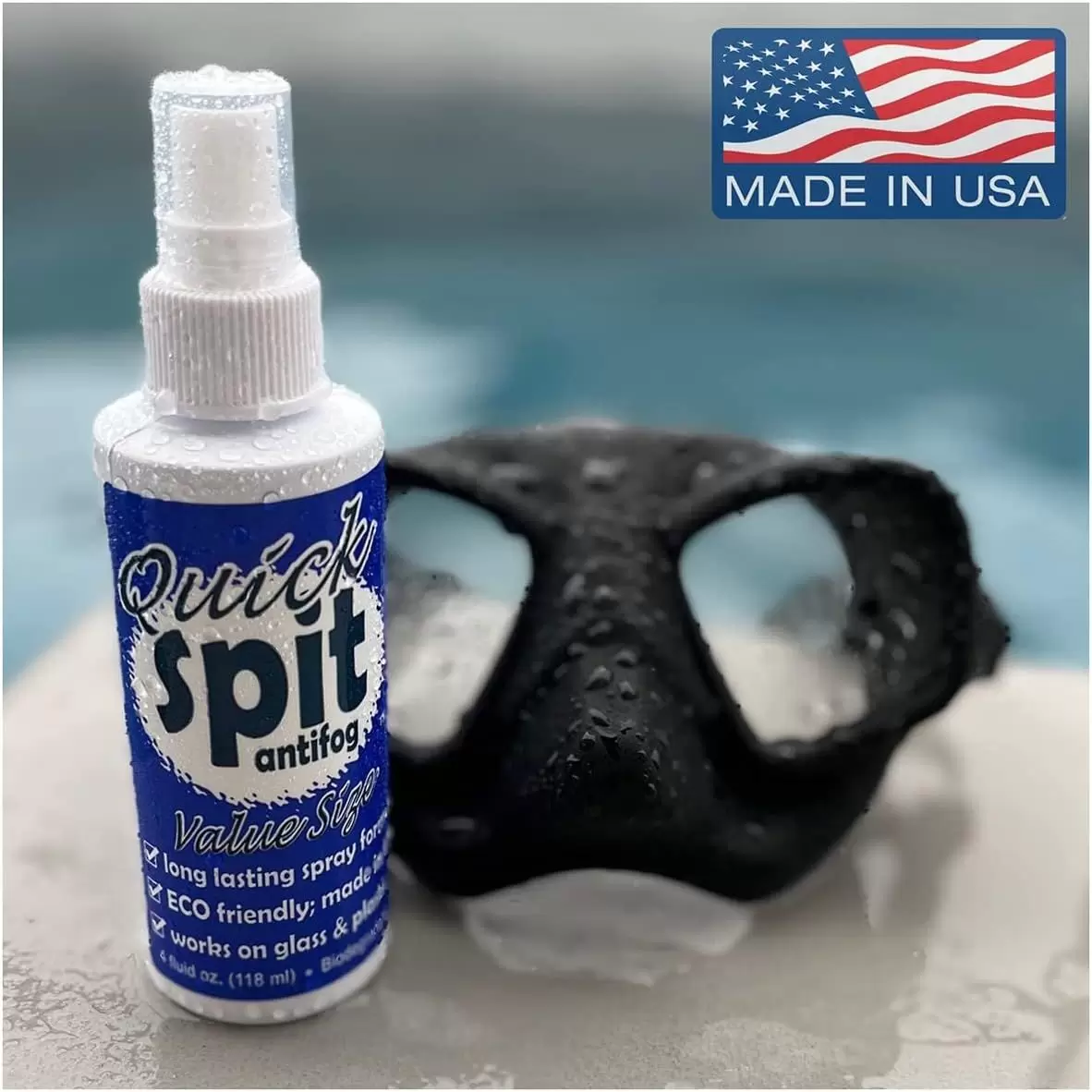
Having literally tried all the methods above and having Zero success, the best solution I have found is Jaws Instant Spit Anti Fog Spray
The rule of this stuff is less is more. Apply a small drop 5 minutes before entering pool or open water. Rinse a minute or so before you get in the water and Voila. No more Goggle misting.
Foggy goggles can be a confidence shattering distraction, but they don’t have to be. By understanding the science, implementing a solid pre-race routine, and making a few smart gear and maintenance choices, you can ensure your vision stays clear. Whether you choose a high-tech “Swipe” goggle or rely on the tried-and-true baby shampoo method, the key is preparation and consistency. Jaws Instant Spit is our choice for Anti Fog Spray
Remember, your goggles are your underwater window to the race. Treat them well, and they’ll keep your focus sharp, your rhythm steady, and your finish line in sight from the first stroke to the final sprint.
Copyright © PlanB Coaching