support{at}planbcoaching.co.uk


PlanB Coaching > Blog > Uncategorized > Embracing the Festive Season: A Balanced Approach to Triathlon and Run Training Over Christmas
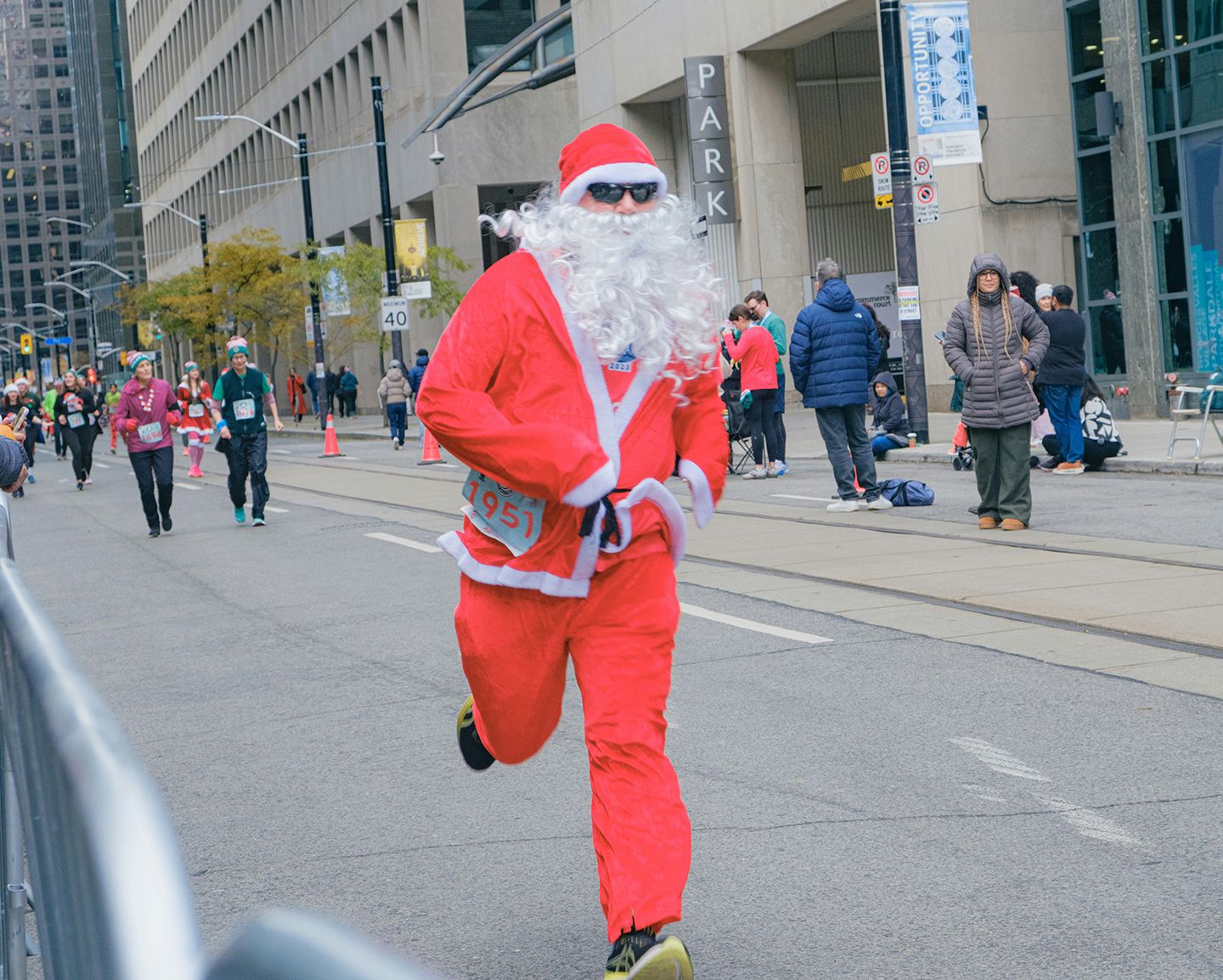
The Christmas holidays bring a whirlwind of festivities, family gatherings, and well-deserved downtime. For triathletes and runners, this period can also spark anxiety: Should I stress about getting all my training sessions in?
The short answer? No, you do not.
But let’s unpack why—and how you can use this season to become a stronger, happier, and more resilient athlete.
First, acknowledge that stress about missed sessions can be more detrimental than the missed session itself. Overtraining isn’t just physical—it’s mental. The holidays come with unique pressures: travel, social commitments, rich food, and disrupted routines. Adding self-imposed guilt over skipped intervals or a shortened long run only compounds fatigue.
Remember: Consistency over the long haul beats perfection in any single week. A few relaxed days won’t derail months of hard work. In fact, they might help.
Physiologically, your body adapts to training during rest periods. Many athletes push hard from early spring through late autumn, leaving cumulative fatigue. The holiday season can be an ideal time for a planned recovery block.
Consider this:
A 7–10 day period of reduced volume and intensity can replenish glycogen stores, repair muscle micro-tears, and reset your central nervous system.
You’ll return to structured training in January feeling refreshed, not burnt out.
So, if you’re debating between a tempo run and baking biscuits with your niece… choose the biscuits. The emotional joy and mental break are their own form of fuel.
Instead of stressing over a rigid schedule, adopt a flexible framework. Here’s a practical approach:
Pick 2–3 key sessions per week that align with your current training phase. For a triathlete, this might be:
One swim (focus on technique)
One bike session (indoor trainer for efficiency)
One run (preferably the longer or harder effort)
Protect these sessions, but be willing to shift days if needed.
Short, sharp sessions can maintain fitness without consuming hours:
A 20-minute core/stability routine
A 30-minute easy run with strides
A 45-minute turbo trainer ride with a few surges
These keep the engine idling without draining your festive spirit.

Holiday activities count more than you think:
A family hike or walk
Ice skating, sledging, or playing in the snow
A casual game of touch rugby or football
These build general fitness and keep you active without the pressure of “training.”
It’s okay to enjoy holiday treats—deprivation leads to bingeing. Focus on:
Staying hydrated (alternate water with festive drinks)
Adding vegetables and lean protein where possible
Protecting sleep, even if it means leaving a party early
Your body will thank you.
Life happens. Maybe you catch a cold, travel cross-country, or simply need a full break. This is not a setback.
Research shows that cardiovascular fitness declines slowly. After a week of complete rest, you might feel sluggish on your first run back, but you haven’t lost significant fitness. Muscle memory and neuromuscular pathways remain intact. Within a week or two of returning, you’ll likely be back where you left off.
The greater risk? Returning so fatigued or resentful that you lose motivation for the year ahead.
Elite athletes periodise their year for a reason. The off-season—or “transition period”—is for mental refreshment, addressing weaknesses, and enjoying the sport without competition pressure.
Ask yourself:
Will skipping one long run in December matter next July?
Could a happier, more balanced you be faster in the long run?
Often, the answer is clear.
If you do want to maintain structure, try these:
Early Morning Sessions: Get it done before the day’s chaos.
Family-Inclusive Training: Invite loved ones on a scenic run or walk.
Turbo Trainer Efficiency: Use trainer time for focused intervals.
Pool Availability: Check local schedules—some pools have holiday hours.
But always have a Plan B. If a session doesn’t happen, let it go.
Ease back. Don’t try to “make up” missed sessions. Start with 70–80% of your pre-holiday volume and intensity, then build gradually over two weeks. Your body will re-adapt quickly.
Set new goals, reflect on what you enjoy most about training, and step into the new year with renewed enthusiasm.
The Christmas holidays are a time for connection, gratitude, and joy. Your identity as an athlete is part of you—but not all of you. Allowing flexibility now can prevent burnout and foster a more sustainable, lifelong love for triathlon and running.
So, pour the mulled wine, lace up your trainers when it feels right, and remember: the best gift you can give your athletic future is a rested body and a happy heart.
Train smart, celebrate fully, and return stronger.
Wishing you a joyful holiday season and a powerful year ahead.
Copyright © PlanB Coaching