support{at}planbcoaching.co.uk


PlanB Coaching > Blog > Uncategorized > The Multifaceted Benefits: Why Time Trialling is a Triathlete’s Secret Weapon
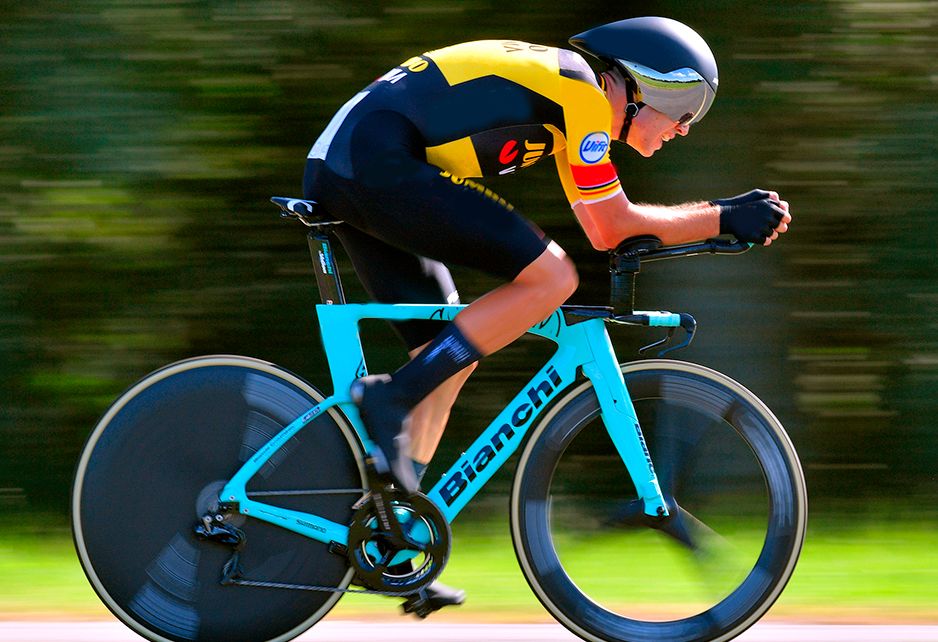
Your training plan is built on power zones. But are your zones accurate? A zone set last season or based on a generic formula is practically useless. A time trial provides the gold-standard data to set or validate your Functional Threshold Power (FTP).
The 20-minute FTP Test: A maximal 20-minute effort, done on a smart trainer or a safe, traffic-free stretch of road, gives you the number around which your entire cycling power zones are built. This ensures every interval, every tempo ride, is performed at the correct intensity for you.
Real-World Validation: A 10-mile TT out on the road is an even better test. It factors in the real-world conditions of holding an aero position, dealing with wind, and putting out power on varied gradients. The average power from a flat-out 25-minute effort is a brutally honest reflection of your fitness.
Without this data, you’re essentially training in the dark. You might be doing your “threshold” intervals 20 watts too low, leaving free speed on the table. Or worse, you might be pushing too hard in your easy sessions, leading to burnout. The TT turns the lights on.
The bike leg of a triathlon is a mental battle. A time trial is the perfect simulator for its unique psychological demands.
Pacing Perfection: The biggest mistake in triathlon is burning all your matches on the first 25km of the bike. A TT teaches you the devastating consequences of going out too hard. You learn, through painful experience, what a “hard but sustainable” effort truly feels like in your legs, your lungs, and your mind. This skill is directly transferable to the first 10 minutes of the bike leg in a triathlon, where fresh legs and adrenaline scream at you to push, push, push.
Embrace the Suffering: Let’s be honest: a time trial hurts. It’s a deep, burning, soul-searching type of pain. By regularly subjecting yourself to this controlled suffering, you build a profound resilience. You learn that the pain is temporary, that the voice in your head telling you to slow down is a liar, and that you are capable of far more than you think. On race day, when the hurt locker door swings open, you won’t panic. You’ve been here before. You know how to manage it, sit with it, and push through it.
Unbreakable Focus: For 20, 30, or 60 minutes, there are no distractions. No one to chat with, no scenery to admire at a leisurely pace. It’s just you, your power meter, and the tarmac ahead. This hones your ability to concentrate on the task at hand—maintaining your aero form, monitoring your power, and managing your energy. This laser focus is invaluable during the lonely, challenging sections of a long triathlon.
The bike leg of a non drafting triathlon is a time trial. It’s you, alone, against the clock and the course. By practising TTs, you are practising the exact discipline required for the majority of your race.
You’ll learn:
Aero Endurance: Can you hold your aggressive, aero position at max effort for an extended period? A long, steady ride won’t reveal this, but a 25-mile TT certainly will. It will expose weaknesses in your core strength and highlight any niggles in your bike fit that need addressing before race day.
Fuelling and Hydration Under Duress: Taking a gel or a drink at Zone 2 is easy. Doing it while your heart is pounding at 95% of its max, whilst trying to stay aero, is a skill. TTs force you to practise your nutrition strategy under race-like intensity, making it second nature.
Equipment Rehearsal: Your TT is the perfect place to test your race-day kit. Are your tri-bars comfortable? Is your bottle cage accessible? Is your helmet steaming up? Better to find out in a local club TT than at an Ironman event.
It’s easy to hide weaknesses in group rides or steady zone 2 efforts. In a TT, there’s nowhere to hide. The clock is a brutally honest judge.
Does your power plummet on the drags? You need more strength work.
Does your average power drop off a cliff in the final five miles? Your muscular endurance or pacing strategy needs work.
Does your form disintegrate when you’re tired, causing you to rock on the bike? You need to incorporate core work and form drills into your training.
Conversely, a TT can be a huge confidence booster. Seeing a tangible improvement in your 10-mile TT time over the course of a season—perhaps finally cracking that 25-minute barrier—is concrete proof that your training is working. This positive feedback is a powerful motivator.
Throwing in random, all-out efforts will lead to fatigue and potential injury. Here’s a structured approach:
Frequency:
During the Base Phase: Perform one TT every 4-6 weeks to establish a baseline and set your zones.
During the Build Phase: Perform one TT every 3-4 weeks to monitor progress and adjust zones as your fitness improves.
Join a Club Event: The best way to do this is to find your local cycling club and enter one of their weekly or fortnightly TT events. The atmosphere and competition will push you harder than you could ever push yourself.
During the Taper: Do not perform a TT. It’s too fatiguing. Your last TT should be 2-3 weeks out from your goal race.
Execution: The Perfect Time Trial Protocol
Warm-Up Thoroughly: Never go from cold to max effort. A proper 15-20 minute warm-up on the turbo with a few short, high-intensity bursts is crucial to prime your body and prevent injury.
Choose Your Course: For outdoor TTs, a club event is ideal. Otherwise, pick a safe, measurable, and consistent route. A flat out-and-back or a loop with minimal roundabouts and traffic lights is perfect. A smart trainer is excellent for consistency and safety.
Set Your Goal: Are you testing for FTP? Or just benchmarking your fitness over 10 miles? Know your purpose.
Pace Smartly: The golden rule: Start conservatively. The first few minutes should feel “comfortably hard.” If you’re gasping for air in the first mile, you’ve gone out too fast. Aim for a negative or even split. It’s better to finish strong than to fade horribly.
Focus on Form: As you fatigue, consciously check in with your body. Are you shrugging your shoulders? Is your hip angle collapsing? Are you smooth on the pedals? Good form equals good efficiency, even when it hurts.
Cool Down: Don’t just stop and get in the car. Spin easily for 10-15 minutes to help with recovery.
Record and Analyse: Log your time, average power, normalised power, heart rate, and most importantly, your rate of perceived exertion and how you felt. This qualitative data is as valuable as the numbers.
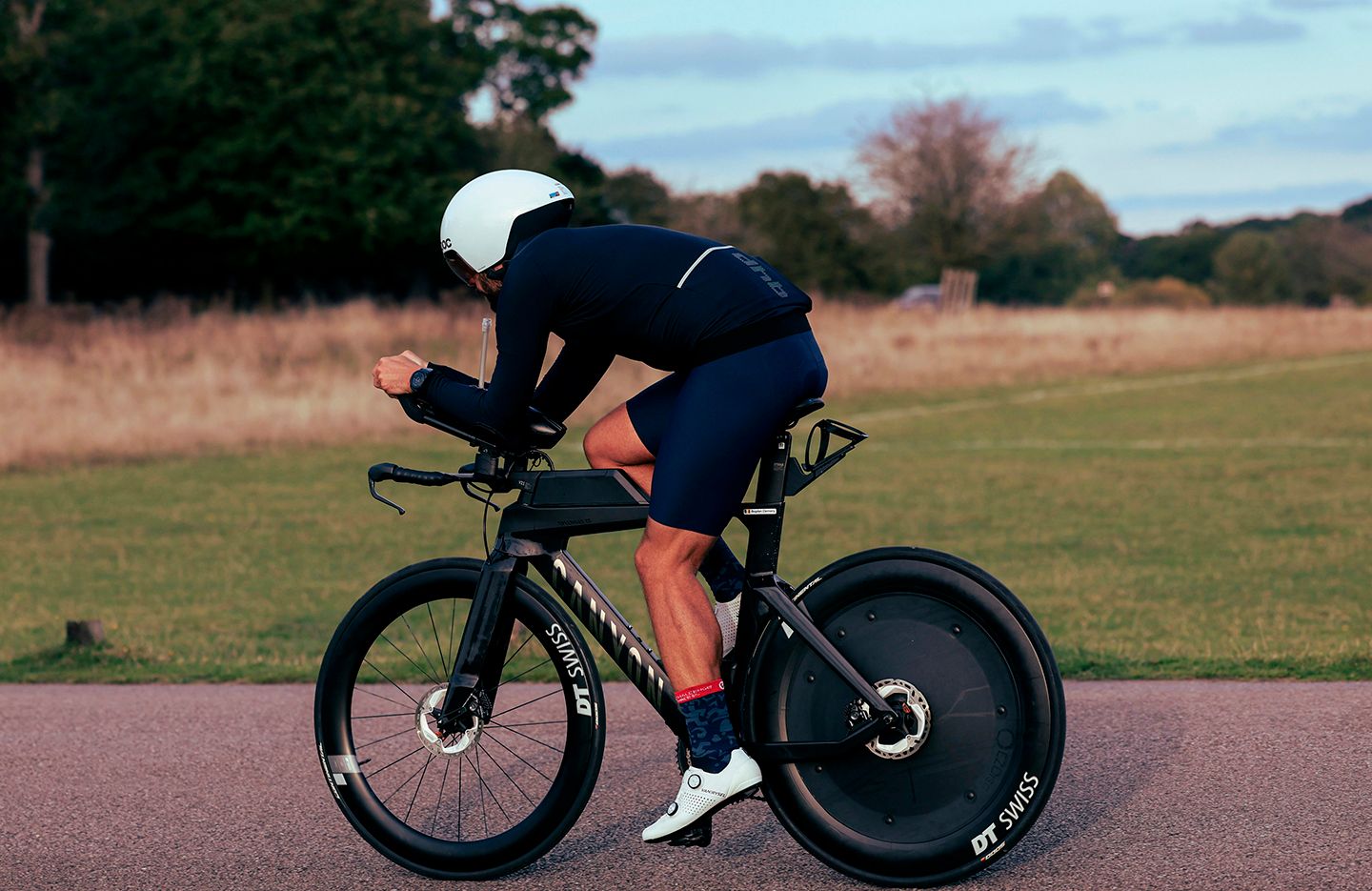
Time trials are demanding. Treat them as a “C-priority” race in your training plan.
Don’t Overdo It: One TT every 3-6 weeks is plenty. Your body needs time to recover and adapt from such a maximal effort.
Listen to Your Body: If you’re feeling overly fatigued, sick, or nursing a niggle, postpone the TT. It’s not worth derailing your entire training block.
They Are Not a Substitute for Base: TTs are high-intensity. They should be built on a foundation of solid aerobic volume. Don’t fall into the trap of only doing hard sessions and neglecting your long, steady rides.

Think of your triathlon bike fitness as a pyramid. The broad base is your aerobic endurance, built through long, steady miles. The peak is your top-end speed, built with short, sharp intervals. The time trial is the critical capstone that connects the two. It teaches you how to apply the power from your base and the speed from your intervals into a sustained, race-winning effort.
It’s the tool that transforms you from someone who is just “fit on a bike” into a true triathlon cyclist—an athlete who knows their limits, trusts their pacing, has the mental fortitude to suffer, and possesses the aero efficiency to make every watt count.
So, stop wondering if you could have gone faster. Find your local club’s TT schedule. Get yourself entered. Embrace the pain, the tradition, and the sheer honesty of the effort. Learn from the clock. You’ll emerge not just with a set of new, accurate training zones, but with a deeper, more resilient version of yourself, ready to shatter your triathlon bike split personal best.
Your challenge: This month, find a local 10-mile TT and enter it. Or, if you’re not ready for that, commit to a 20-minute FTP test on the turbo. Give it everything you have. The results might just surprise you.
Now, go get fast.
Copyright © PlanB Coaching